
One Kilometre at a Time: What a Knee Injury Taught Me About Coming Back to Running
After a month off from a knee injury, I laced up and headed back out, but this time I walked the whole kilometre instead of running it. No heroics, no shortcuts. Just one step at a time, and a few hard lessons I probably should have learned a long time ago.
I went back out today.
One kilometre. Walked the whole thing. Didn't run a single step. And honestly? It felt like a bigger deal than it probably should have.
A month ago I tweaked my knee badly enough that I had to stop running completely. Not the kind of discomfort you push through. The kind that tells you to sit down and stay there for a while. So I did. I stayed off it, let it rest, and spent more time than I'd like to admit thinking about what I did wrong to get there in the first place.
Today was day one of getting back.
Why I Walked Instead of Running
Here's the thing. My instinct the moment I felt a bit better was to just go. Get out there, pick up where I left off, run a few kilometres and prove to myself I was fine. That's what I would have done a year ago. And that's probably how I ended up hurt in the first place.
This time I made myself walk it. One kilometre, comfortable pace, paid attention to how the knee felt the whole way. No run, no push, no "just a little further." I've read enough about return-to-running protocols to know that the first day back should feel almost embarrassingly easy. If you come home feeling like you did something, you did too much.
I came home feeling fine. That was the goal.
The Mistake I Keep Making
I've been running for a few years now. Not competitively, just for myself. It clears my head, gets me outside, and I genuinely love it. But I have a habit of ramping up too fast when things are going well. I'll have a good week, feel strong, and add distance before my body has actually adapted to what I'm already doing.
I've done it more than once. I did it this time.
The week before the injury I was feeling good and pushed a longer run than I should have, on tired legs, without enough of a warmup. The knee let me know pretty quickly that it wasn't happy. I kept going anyway. That part was dumb.
Looking back, there were signs I brushed off. Some stiffness in the mornings. A little ache on the outside of the knee that I told myself was just normal soreness. It wasn't. I ignored signals that were worth paying attention to.
What a Month Off Actually Teaches You
Being forced off running for a month is frustrating. I won't pretend otherwise. But it did give me time to think about my relationship with the whole thing. Why I run, how I run, and what I want to get out of it long-term.
I don't want to be sidelined for a month every year because I keep repeating the same pattern. That's not sustainable. And if I'm being honest with myself, impatience is the thing that's gotten me hurt more than anything else. Not bad shoes, not bad form, not bad luck. Impatience.
I've seen this in other areas of life too. You skip the boring foundation work because you want to get to the good part. And then the thing you built on shaky ground falls apart and you're back at square one anyway. You might as well have taken your time the first time.
That's where I am now. Back at square one, and actually okay with it.
The Plan Going Forward
I'm not following a rigid program I found online. But I do have a rough framework in my head. Walk for the first few days, no pressure, just get the legs used to moving again and see how the knee responds. If things stay quiet, I'll introduce short run intervals mixed in with walking. Short. Not the distance I was doing before, not even close. The kind of distance that feels almost pointless.
I'll build from there. Slowly. Slower than I want to.
I'm also going to be more honest with myself about what my legs are telling me. Stiffness that doesn't go away after a warmup is worth noting. Pain that shows up during a run and doesn't fade is worth stopping for. These aren't signs of weakness. They're information. I just have to be willing to listen to it.
Today Was Enough
One kilometre. Walked. Knee felt fine. That's it.
No dramatic comeback story yet. No impressive splits or distance milestones. Just a guy in his neighbourhood, taking it easy, trying to do this right for once.
I'll take it.
If you're coming back from something similar and you're tempted to skip the boring early steps, I get it. But the boring early steps are the whole point. The goal isn't to run today. The goal is to still be running a year from now.
I had already learned some of that the hard way when I wrote about what happened when I pushed my running plan too fast.
Walk the kilometre. It counts.
Loading reactions…
Comments
New notes are reviewed before they appear. Be kind and on-topic.
Loading comments…
Related posts
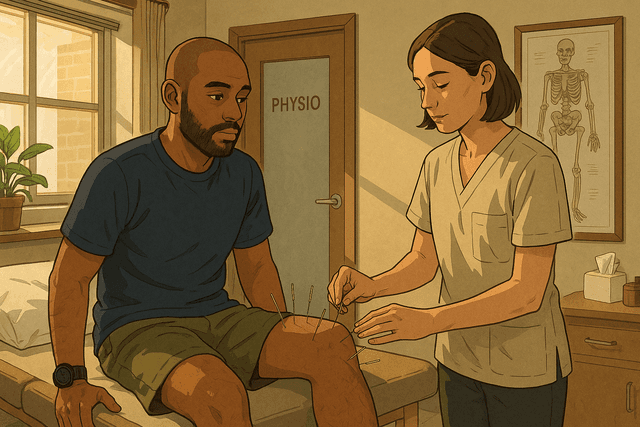
My First Acupuncture Treatment: What a Running Injury Taught Me About Stretching and Recovery
After pushing through runs without proper stretching, my knees finally had enough. My physiotherapist introduced me to acupuncture as part of my recovery, and I'll be honest, I wasn't expecting much. What happened next genuinely surprised me.
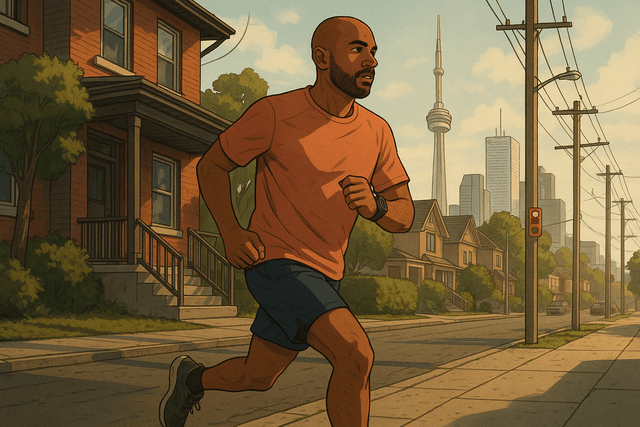
Back From Knee Injury: Why Running a 5K Matters When You Manage Buildings
After overtraining led to a knee injury, I had to rebuild my running from scratch. Getting back to a full 5K reminded me that slowing down isn't weakness, it's how you stay in the game. For someone managing a building full-time, running isn't just fitness. It's how I stay sharp enough to handle what comes next.
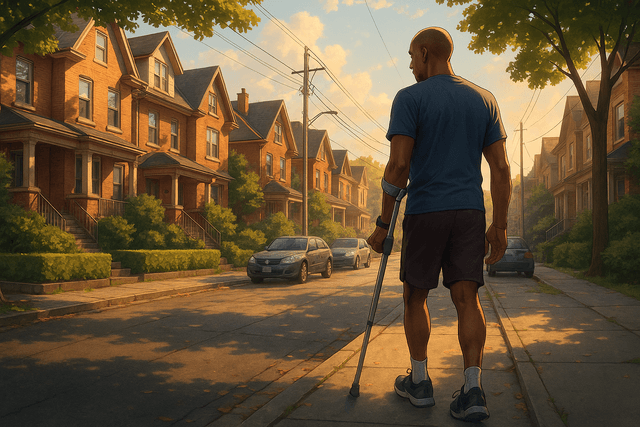
Getting Back in Shape After an Accident: How I Made Fitness Part of My Everyday Life
After a serious accident, I had to rebuild my fitness from the ground up, slowly, stubbornly, and with a lot of help from my wife and a Garmin on my wrist. Here's what actually worked for me and why I think movement, at any level, is worth starting today.