My First Acupuncture Treatment: What a Running Injury Taught Me About Stretching and Recovery
After pushing through runs without proper stretching, my knees finally had enough. My physiotherapist introduced me to acupuncture as part of my recovery, and I'll be honest, I wasn't expecting much. What happened next genuinely surprised me.
I run when I need to clear my head after a long day in the building. I am not training for races. I just like the quiet stretch after the phone stops ringing and the feeling of having done something that is mine.
That is why I was annoyed when one knee started getting stiff after runs. The soreness had been coming and going, and I had been treating it like something I could out-stubborn. Eventually I stopped running and booked an assessment with my physiotherapist instead of continuing to guess.
This is a personal recovery note, not a diagnosis or a treatment plan. The useful part is the decision to get assessed, follow the plan I was given, and stop treating a short warm-up as optional.
What the assessment changed for me
My physiotherapist asked about the pattern: when the stiffness showed up, what made it worse, what I had changed in my running, and what I was doing before and after a run. She checked my movement and gave me specific exercises and limits for my situation.
I had expected a quick answer and a quick fix. Instead, I left with a slower plan: reduce the load for a while, do the exercises consistently, and pay attention to what changed rather than pushing through every run. That felt less exciting than a miracle solution, but it gave me something I could actually follow.
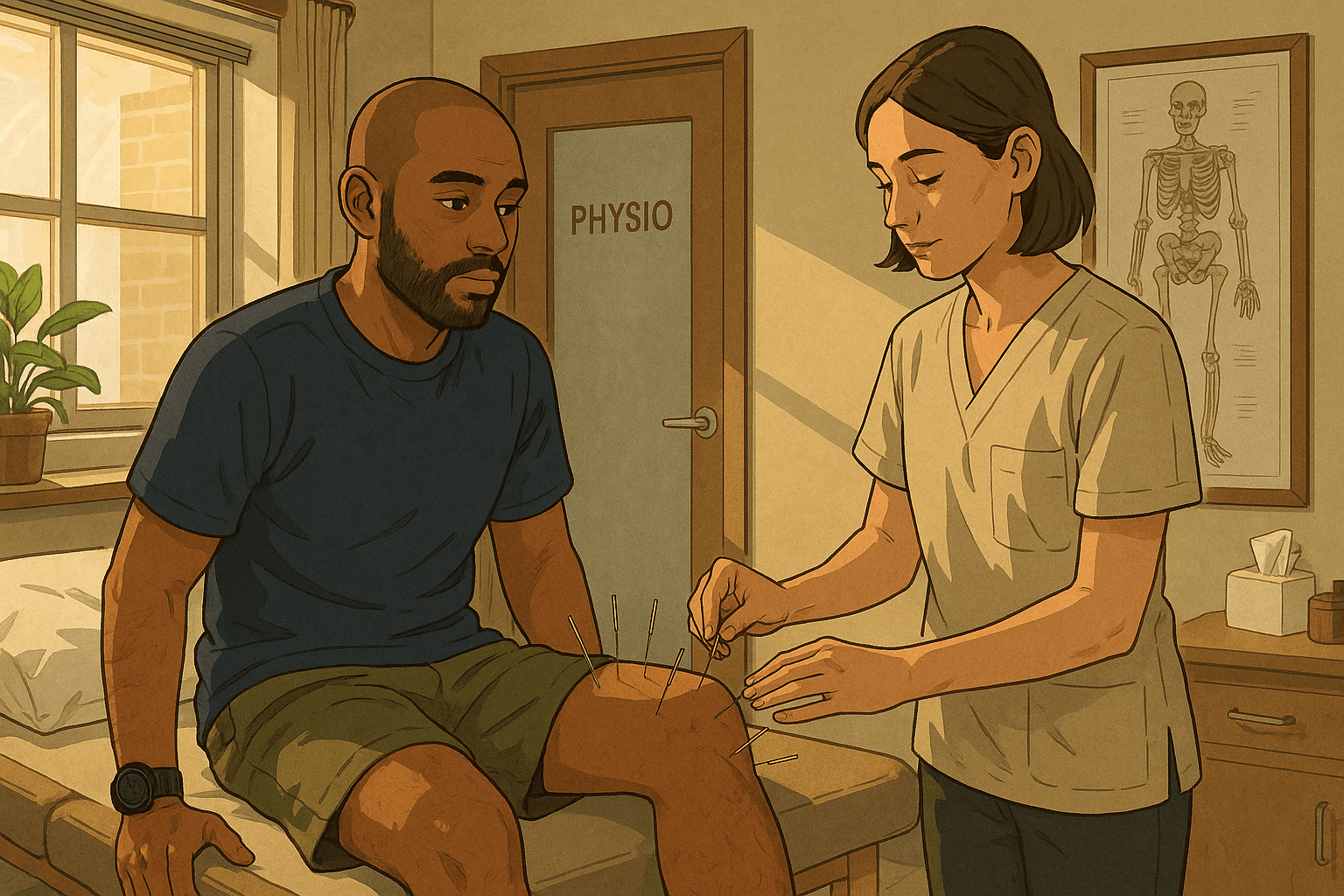
She also offered acupuncture as one part of the appointment. I was skeptical. I work best when I understand the reason for a step, so I asked what it was meant to support and what I should expect afterward. Her answer was straightforward: we would see how I responded, while keeping the exercises and gradual return to activity as the main plan.
What one appointment felt like
The needles were placed around my knee and leg while I lay still for a while. I noticed mild pressure and a little ache in a few spots, not the sharp feeling I had imagined. The quiet twenty minutes was probably useful on its own. I am used to moving from one problem to the next.
Afterward, my knee felt less tight that day. I was glad, but I did not take that feeling as proof that the injury was solved. One appointment and one person’s response are not evidence that a treatment will work the same way for someone else. I still had to follow the exercise plan, keep my activity within the limits I was given, and pay attention to symptoms over time.
The part I was tempted to skip
The less dramatic part of recovery was also the part I had been neglecting. I now make time for the movements my physiotherapist showed me and for an easier start and finish around a run. I no longer treat a brace, a rest day, or a shorter route as failure. They are tools for staying consistent without trying to win one good afternoon and lose the next week.
The building analogy is obvious to me. A small warning does not become less real because I keep walking past it. Good follow-up means documenting what is happening, doing the agreed next step, and escalating when the facts change. My knee needed the same approach.
A few boundaries worth keeping
If you have pain after activity, your details matter: the location, how it started, swelling, instability, previous injuries, and what your clinician finds. Do not use my story to diagnose yourself or to decide that a particular treatment is right for you.
I would get assessed promptly rather than trying to train through severe pain, a joint that cannot bear weight, a major swelling change, numbness, fever, or symptoms that are getting worse. Those are reasons to speak with a qualified health professional, not to copy a routine from a blog post.
If acupuncture is part of a conversation with your care provider, ask who is providing it, what the goal is in your situation, what the alternatives are, and what follow-up should look like. In Ontario, the College of Traditional Chinese Medicine Practitioners and Acupuncturists of Ontario public register lets readers check whether a person using the protected title “Acupuncturist” is registered.
For me, the bigger lesson was not that one appointment changed everything. It was that I had stopped listening early enough. The assessment, the exercises, and a more patient return to activity gave me a better way to respond than trying to power through.
This was part of the same recovery arc as coming back from a knee injury one kilometre at a time.
Source and scope
The regulatory point above comes from the College of Traditional Chinese Medicine Practitioners and Acupuncturists of Ontario. This post records my experience and does not replace advice from a qualified health professional who can assess an individual injury.
Loading reactions…
Comments
New notes are reviewed before they appear. Be kind and on-topic.
Loading comments…
Related posts

One Kilometre at a Time: What a Knee Injury Taught Me About Coming Back to Running
After a month off from a knee injury, I laced up and headed back out, but this time I walked the whole kilometre instead of running it. No heroics, no shortcuts. Just one step at a time, and a few hard lessons I probably should have learned a long time ago.
I Pushed My Running Plan Too Fast
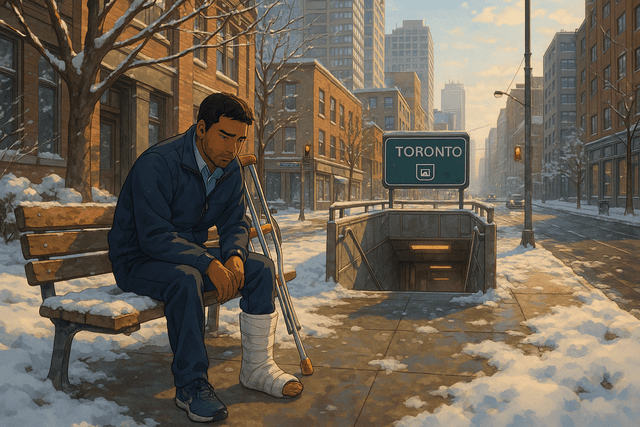
I was supposed to build back slowly. Instead, I felt good, jumped ahead, and my knees reminded me why the plan existed in the first place. This one is about running, but honestly it applies to work too: skipping steps catches up with you.
Back From Knee Injury: Why Running a 5K Matters When You Manage Buildings
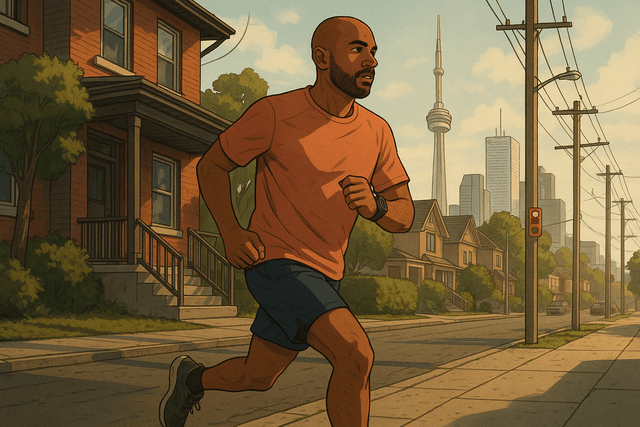
After overtraining led to a knee injury, I had to rebuild my running from scratch. Getting back to a full 5K reminded me that slowing down isn't weakness, it's how you stay in the game. For someone managing a building full-time, running isn't just fitness. It's how I stay sharp enough to handle what comes next.