
The Compactor Room Is Not a Magic Hole
Most tenants only notice the garbage compactor when it stops working. I get it. When it is doing its job, you toss the bag in and move on. But that machine is one of the things keeping a building from turning messy fast, and it does not take much abuse to make everyone’s day worse.
Most tenants do not think about the compactor room unless something smells bad or the machine is down.
Honestly, that is normal. When the compactor is working, it should be boring. You bring your garbage down, toss the bag where it belongs, and leave.
But when it stops working, everyone notices fast.
Bags pile up. The room starts to smell. People leave garbage in places it should not be. Staff get pulled away from other work. Vendors have to be called. Residents start asking why nobody is doing anything, even though the whole problem may have started because someone put the wrong thing into the machine.
The compactor room is not a magic hole. What goes in there matters.
What the compactor is actually doing
A residential building produces a lot of garbage every day.
The compactor crushes that waste down so it takes up less space and can be hauled away properly. Without it, garbage rooms fill up quickly. In the summer, that becomes a smell problem. Then a pest problem. Then a complaint problem.
I have seen compactor rooms go downhill fast when the machine is out of service. It does not take long.
That is why staff care about how residents use it. We are not being picky for fun. We are trying to keep the building running.
The biggest problems are preventable
Most compactor headaches come from the same things.
Cardboard that was not broken down. Loose bags leaking down the chute. Food waste not tied properly. Furniture pieces. Metal. Wood. Electronics. Paint cans. Construction debris. Stuff that should have gone to bulk pickup or hazardous waste.
Some of it jams the chute. Some of it damages the machine. Some of it creates smells. Some of it is just dangerous.
And once the machine starts struggling, small problems become expensive ones.
A jam caught early might be manageable. A jam ignored until the motor keeps fighting against it can turn into a real repair.
Tie the bag
This might be the simplest thing in the whole post.
Tie your garbage bag.
If liquid leaks down the chute, it does not magically disappear. It sits. It smells. It feeds bacteria. It makes the room worse for everyone and creates more cleaning work for staff.
Same with loose food, broken glass, or sharp items. Bag it properly. If it should not go in regular garbage, do not put it there.
That one habit prevents a lot of mess.
Large items do not belong there
If you bought a couch, a bed frame, a TV stand, or anything with big packaging, do not try to make the compactor deal with it.
Break down what can be broken down. Use the recycling area if your building has one. For furniture, mattresses, wood, metal, and other bulky items, follow the bulk pickup process.
If you are not sure, ask.
I would rather answer a thirty-second question than spend two hours dealing with a jammed chute.
That is not an exaggeration. One wrong item can block the chute for multiple floors. Then residents keep trying to use it because they do not know it is blocked, and now the mess stacks up above the original problem. By the time staff find it, the fix is no longer quick.
This is why I care about boring things like cardboard, bag size, and whether people read the sign. Boring things are usually what keep the building from becoming chaotic.
Staff need to maintain it too
Residents have responsibilities, but building staff and management do too.
The room needs clear signage. New residents need instructions. The machine needs regular service. Chutes need cleaning. Drains need attention. Staff should know the warning signs: strange noises, repeated cycling, weak compression, leaks, or garbage backing up.
You cannot ignore the machine for months and then act surprised when it fails.
Good maintenance and good resident habits have to work together.
Cameras help, but they are not the whole answer
A camera in the compactor room can help with accountability. People behave differently when they know there is a record, and staff can follow up when someone dumps the wrong thing.
But cameras do not replace communication.
If residents do not know the rules, teach them. If the signs are old and useless, replace them. If bulk pickup exists, make the process easy to find.
The goal is not to catch everyone. The goal is to reduce the problem.
One quick check
If you manage a building, go look at your compactor room today.
Is the signage clear? Does it say exactly what cannot go in? Is the bulk pickup information posted where residents can see it? Does the room smell worse than it should? Is the machine making sounds it did not make before?
If you are a tenant, read the sign next time you are there. Tie your bags. Do not force large items into a system that was never built for them.
A working compactor is one of those things nobody appreciates until it is down.
I went deeper into the same pattern in the ongoing battles with garbage compactor misuse.
Trust me, you want it boring.
Loading reactions…
Comments
New notes are reviewed before they appear. Be kind and on-topic.
Loading comments…
Related posts
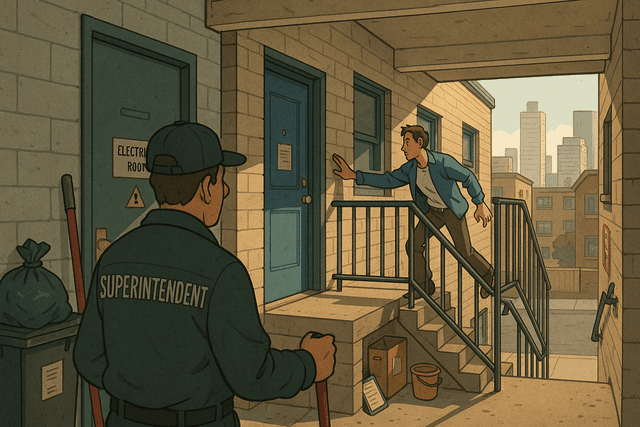
Why Skipping the Work Order and Going Straight to the Boss Actually Slows Things Down
Some tenants think going straight to the top gets problems solved faster. In my experience, it usually does the opposite. Here's what actually happens when someone skips the process, and why following proper channels is the fastest way to get your issue fixed.
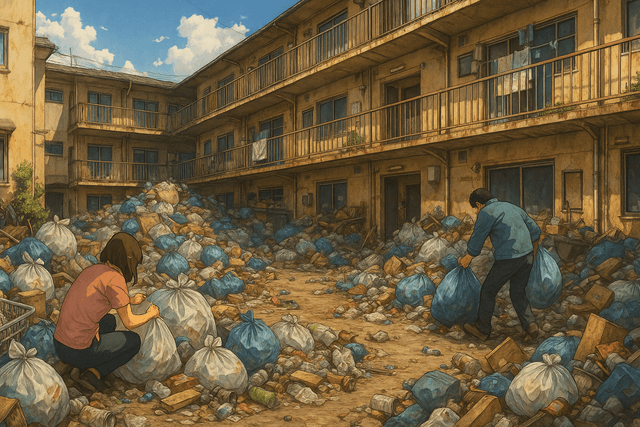
The Psychology Behind Garbage Chaos in Subsidized Housing
Garbage problems are operational problems, not a reason to make assumptions about residents or the type of housing they live in. Clear instructions, reliable collection, accessible disposal areas, and prompt reporting give everyone a practical way to keep shared spaces usable.
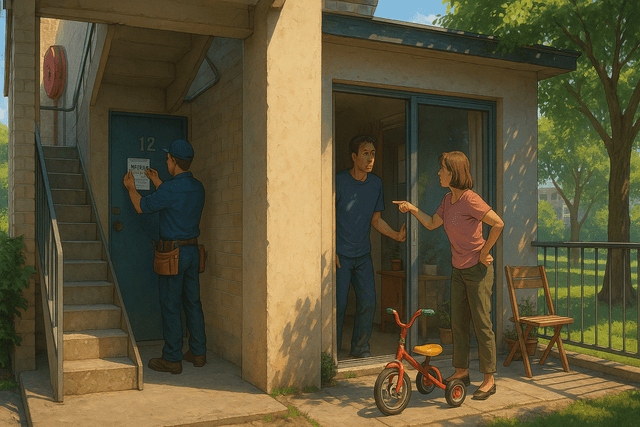
What Is a Notice of Entry (NOE) and What It Isn't
A Notice of Entry is one of the most misunderstood documents in residential buildings. As a superintendent, I've seen tenants panic over them and others ignore them entirely, and both reactions cause problems. Here's what an NOE actually means and how it fits into the repair process.