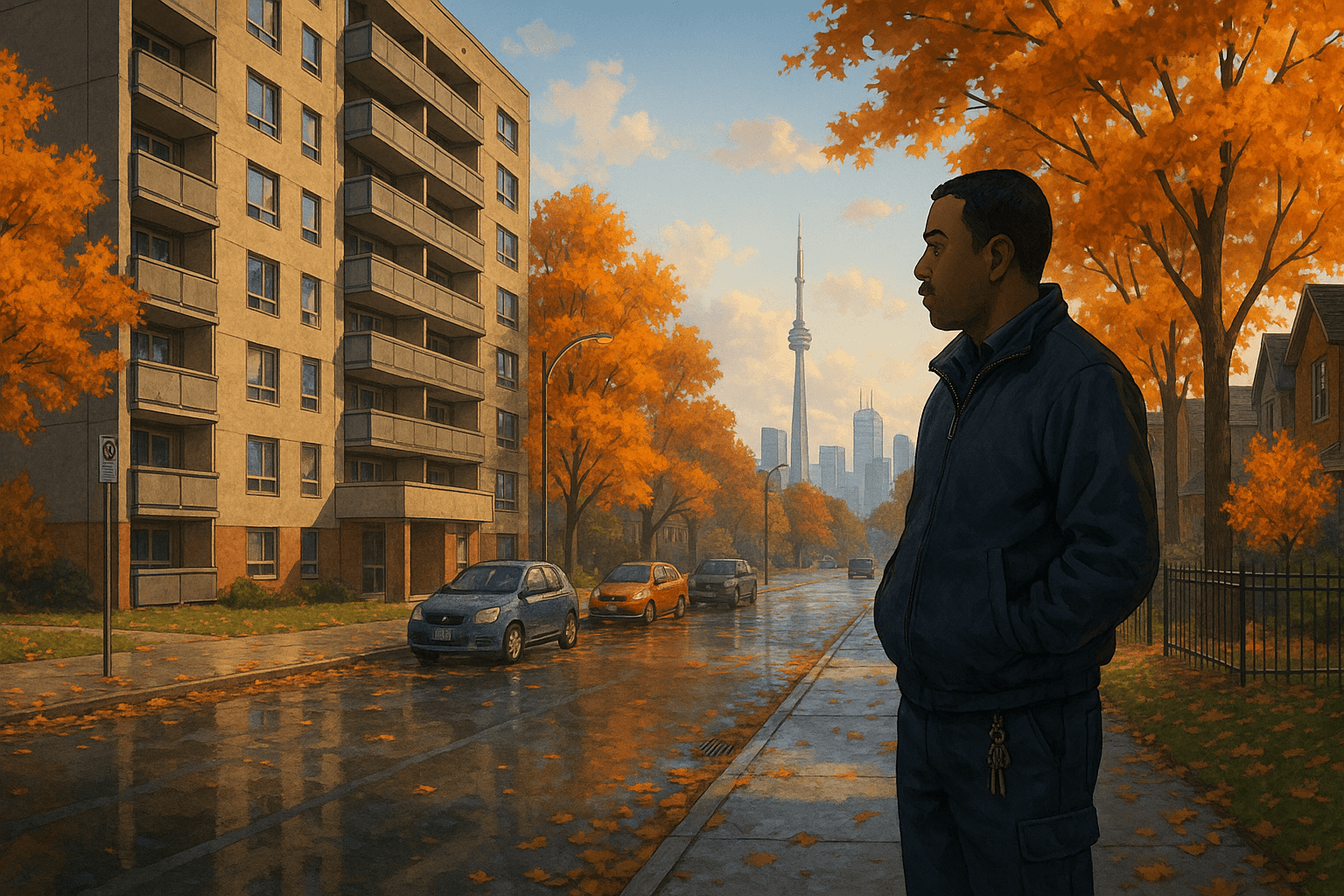
10 Things People Don't Understand About Running a Subsidized Housing Building
Being a superintendent at a subsidized housing building in Toronto is nothing like people picture it. No, you don't live there, no, you're not on call 24/7 by choice, and yes, the phone still rings at 9 p.m. Here's the real picture from someone who's lived it.
Let me be honest with you. Before I took a superintendent role at a subsidized housing complex in Toronto, I had assumptions too. I thought I had a solid read on what the job would look like. I did not. Nothing fully prepares you for the rhythm of that kind of work, the community you're stepping into, or the weight of responsibility that comes with it, even when your shift technically ends at 5 p.m.
This one's for the building owners, the property managers, the curious tenants, and anyone thinking about stepping into this role. Here are 10 things most people just don't get about running a subsidized housing building.
1. No, You Don't Live There
People assume superintendents at subsidized buildings live on-site. At least in my setup, that's not how it works. I show up at 8 a.m. and I'm out by 5 p.m. like any other job. That distinction matters because it changes everything about how you manage the building and how tenants relate to you.
You're not the neighbour. You're not the guy they knock on the door for at midnight. But that doesn't stop people from trying.
2. The Phone Does Not Clock Out When You Do
Here's the reality nobody tells you upfront. Even with clear office hours, the calls come in after 5. A tenant locked out. A pipe making noise. Someone's worried about their neighbour. I've picked up calls at 8:30 at night more times than I can count. You build boundaries over time, but it takes discipline to hold them and some situations genuinely need a response.
You learn fast which calls are true emergencies and which ones can wait until morning. That judgment? It only comes with time on the floor.
3. The Residents Are Dealing With a Lot
Subsidized housing in Toronto serves people who are navigating some genuinely hard circumstances. Mental health challenges, financial stress, social isolation, all of it lives inside the same building you're maintaining. I've had to call for wellness checks. I've had to be the calm, neutral presence during really tense moments.
This isn't a complaint. It's just the truth. You have to carry some emotional weight in this role. Nobody writes that in the job description.
4. Maintenance Requests Are a Different Beast
At a market-rent building, a tenant submits a work order and waits. In subsidized housing, the urgency feels different. Residents often rely on the building systems more heavily, they're home more often, they may not have other resources, and when something breaks, it genuinely disrupts their daily life.
I've seen a broken stove become a full week of tension if it's not handled fast. You learn to triage quickly and communicate even faster.
5. You're a Superintendent, Mediator, and Social Worker All at Once
Nobody handed me a crisis counselling certificate, but I've used those skills more than I ever used a pipe wrench in some weeks. Neighbour disputes, noise complaints, people acting out of character, a lot of it lands on the superintendent first before it ever reaches management or outside supports.
You become the first point of contact for things that are way outside your technical job description. You get comfortable with it or you burn out. There's not much middle ground.
6. The Building Doesn't Care About Your Weekend Plans
Had a boiler act up on a Friday afternoon once. The kind of situation where you're mentally already done for the week and the building absolutely is not. Subsidized housing buildings tend to be older stock in Toronto. The infrastructure has history. Things break in ways that are creative and inconvenient.
You develop a sixth sense for problems before they blow up. A sound that's slightly off, a smell that doesn't belong. That instinct saves you a lot of emergency calls.
7. Paperwork Is Half the Job
I don't think people realize how documentation-heavy this work is. Incident reports, inspection logs, work order tracking, unit condition reports, all of it matters and all of it has to be accurate. If something goes sideways and there's no paper trail, you're in a hard spot.
Coming from a software background, I actually built out a few small tracking systems for myself early on. Nothing fancy, but it kept things tight. Most supers don't have that option, so they're juggling binders and spreadsheets and trying to keep it all straight.
8. Tenants Have Rights, and You Need to Know Them Cold
This is non-negotiable. Ontario's Residential Tenancies Act applies to subsidized housing just like it applies anywhere else. Tenants know their rights, sometimes better than the person managing the building. I've had residents quote specific sections of the RTA back to me during a conversation.
Respect that. Know the rules. Don't cut corners on notice requirements, entry procedures, or maintenance timelines. It protects everyone, including you.
9. The Community Actually Matters
Here's something I didn't fully expect. There's a real community inside these buildings. Long-term residents who have been there for decades. People who look out for each other. Seniors who wave to you every single morning. Kids who know your name.
When you show up consistently, do what you say you're going to do, and treat people with basic dignity, they notice. That trust builds slowly and it's worth more than any amenity or renovation. It also makes your job genuinely easier.
10. It's One of the More Meaningful Jobs in Toronto's Housing System
I mean this. The work is grinding some days. The calls, the paperwork, the competing demands. But the building you maintain is someone's home, often the only stable thing in their life right now. Keeping it safe, functional, and clean is not a small thing.
Not everyone lasts in this role. The ones who do tend to actually care about the people inside, not just the property.
What I would do
If you're thinking about working in subsidized housing as a superintendent or maintenance person, go in with realistic expectations. The hours on paper are 8 to 5. The actual mental load doesn't follow that schedule. You'll need people skills as much as technical skills. You'll be underpaid for the complexity of what you actually do. And some days, you'll go home tired in a way that's hard to explain.
I went deeper into that difference in what sets subsidized housing supers apart from private apartment supers.
But you'll also know exactly why the work matters. That part, I haven't found in a lot of other jobs.
Loading reactions…
Comments
New notes are reviewed before they appear. Be kind and on-topic.
Loading comments…
Related posts
What This Job Is Really Like in Subsidized Housing
Working as a superintendent in subsidized housing is not only maintenance. It is work orders, emergencies, vulnerable residents, boundaries, old building systems, and a lot of judgment calls nobody can fully teach you before you start.
The Fine Line Between Compassion and Burnout in Working as a Building Superintendent
Nobody warned me that the hardest part of this job wouldn't be the boilers or the work orders, it would be the people, and how much of their weight I'd end up carrying home. This isn't a post about solutions. It's about naming something that doesn't get named enough in this line of work.
The Psychology Behind Garbage Chaos in Subsidized Housing
Garbage problems are operational problems, not a reason to make assumptions about residents or the type of housing they live in. Clear instructions, reliable collection, accessible disposal areas, and prompt reporting give everyone a practical way to keep shared spaces usable.