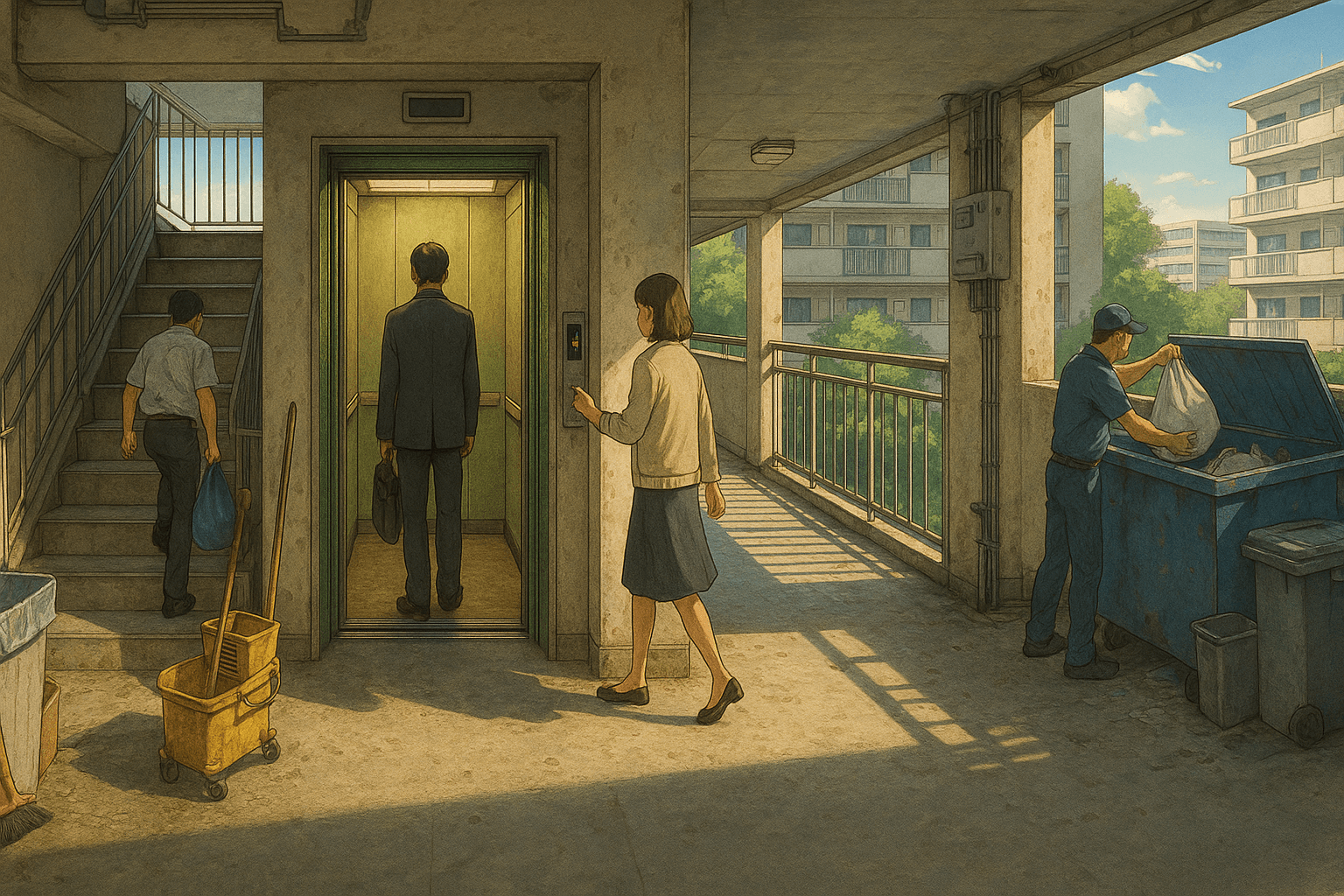
Elevator Problems Start With Small Habits
Most elevator problems do not start with the machine. They start with people holding the door too long, forcing things that do not fit, ignoring weird noises, or treating a shared space like nobody else uses it. After enough years in buildings, I have learned that a little elevator courtesy saves everyone a lot of grief.
I have a soft spot for elevators because I know how much people depend on them.
Most residents do not think about the elevator until it is slow, dirty, stuck, or out of service. Fair enough. Nobody wakes up in the morning excited to appreciate the elevator. You press the button, you wait, you get in, you go upstairs. That is how it should feel.
But when it goes wrong, the whole building feels it.
If you are young and healthy, stairs are annoying. If you are elderly, using a walker, pushing a stroller, carrying groceries, or dealing with an injury, stairs can turn into a real problem fast. That is why I get a little frustrated when people treat the elevator like it is indestructible.
It is not.
Let people get off first
This one sounds too simple to even write down, but it happens all the time.
The doors open and someone is already standing right in the middle, trying to rush in before anyone can step out. Then everyone does that awkward little shuffle where nobody can move properly. It saves no time. It just makes people irritated.
Stand to the side. Let people out. Then get in.
That tiny bit of patience makes the elevator move smoother for everyone.
Stop holding the door forever
I am not saying never hold the door. If someone is a few steps away with their hands full, of course, hold it.
What causes problems is when someone holds the door while another person is still down the hallway, still looking for keys, still finishing a phone call, or still deciding if they are coming. Meanwhile the elevator is stuck, other floors are waiting, and the doors keep fighting against being forced open.
Those doors are not just doors. They are part of a system with sensors, rollers, tracks, motors, and controls. Keep forcing them and eventually something wears out or goes out of adjustment.
Then everyone complains that the elevator is broken.
Report the weird stuff early
If the elevator makes a new grinding sound, bangs harder than usual, levels badly at the floor, or the doors start reversing for no clear reason, report it.
Do not wait until it fully breaks.
I would rather get a boring report early than an emergency call later. A strange sound might be nothing. It might also be the first sign that a part is wearing out or the door operator needs adjustment. Building staff cannot fix or call in what nobody reports.
A quick message can save a full shutdown.
Do not overload it
People see a packed elevator and still try to squeeze in.
I get it. Nobody wants to wait. But if the car is full, it is full. Overloading the elevator is uncomfortable for people inside and hard on the equipment. It also makes the ride slower because the doors take longer, people have to shift around, and the elevator may not operate properly if the weight limit is pushed.
Waiting one extra trip is annoying. Getting stuck because everyone tried to force it is worse.
Keep it clean because someone else has to touch it
Coffee spills. Garbage. Mud. Leaking grocery bags. Food smells. I have seen all of it.
People forget that elevators are small rooms everyone shares. If you leave a mess in there, someone else has to ride with it, clean it, or both. Usually it is building staff cleaning it, and it is usually during a morning when we already have ten other things waiting.
I am not asking anyone to polish the walls. Just do not leave garbage behind. If something spills, report it. If your boots are covered in mud, maybe wipe them before tracking it through the whole building.
That is not fancy etiquette. That is basic respect.
Management has a part too
Residents are not the only ones responsible. Building management has to keep up with inspections, service calls, cleaning, and clear communication.
If the elevator is always dirty, always breaking down, or nobody explains what is going on during an outage, residents lose patience. I understand that. People deserve updates, especially when accessibility is affected.
But residents can help by using the elevator properly and reporting problems before they turn into bigger ones.
It works both ways.
The building feels different when people care
You can tell when people respect a shared space.
The elevator is cleaner. People move aside. Nobody jams the doors open for five minutes. Weird noises get reported. Staff can deal with small problems before they become big ones.
It is not dramatic. It is not some big community project. It is just small habits repeated every day.
That is the part people underestimate. A building does not usually get better from one huge announcement. It gets better when enough people stop treating shared spaces like someone else’s problem.
That is how buildings run better. Not perfectly. Better.
It connects to the same basic idea I wrote about in why shared spaces need basic respect.
And honestly, better is a good start.
Loading reactions…
Comments
New notes are reviewed before they appear. Be kind and on-topic.
Loading comments…
Related posts
You're Probably Inviting Pests Into Your Home Without Knowing It
Pest problems are rarely explained by one habit or one person. Food storage, garbage, clutter and standing moisture can matter, but so can leaks, gaps around pipes, shared building conditions and timely repairs. This guide covers practical prevention, early reporting and the steps that help people address problems without blame.
The Mould Strategy I Trust: Find the Moisture First, Then Decide How Big the Job Really Is
A practical superintendent field note on how I think through mould reports: document the signs, find the moisture source, separate small cleanup from bigger remediation, and know when to escalate.
The Tested Way I Unplug a Toilet Before It Becomes a Bigger Problem
A practical superintendent field note on how I handle a plugged toilet: stop the water, use the right plunger, know when to use an auger, and avoid risky chemical shortcuts.